

Cultivating a Healthy Nailbed

Healthy nails start with a strong foundation: the nailbed. Many people focus on the visible part of the nail but overlook the importance of caring for the skin and tissue beneath it. The nailbed supports nail growth and protects the nail matrix, which produces new nail cells. When the nailbed is healthy, nails grow stronger, look better, and resist damage. This post explores practical ways to cultivate a healthy nailbed and maintain stronger nails.
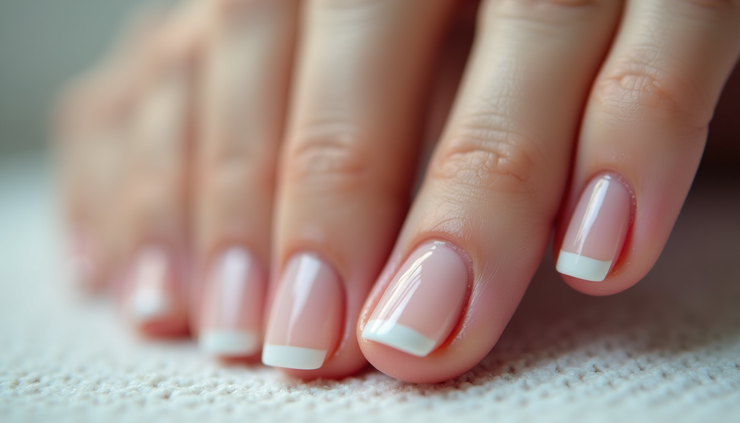
Common problems linked to poor nailbed health include:
Nail ridges or deformities
Weak, peeling, or splitting nails
Infections such as paronychia
Discoloration or inflammation
Daily Habits to Support Nailbed Health
Small changes in your daily routine can make a big difference in nailbed health. Here are some habits to adopt:
Keep Nails and Nailbeds Clean and Dry
Moisture trapped under nails or around the nailbed encourages fungal and bacterial growth. Wash hands regularly and dry thoroughly, especially after water exposure. Avoid prolonged contact with water or harsh detergents.
Trim properly
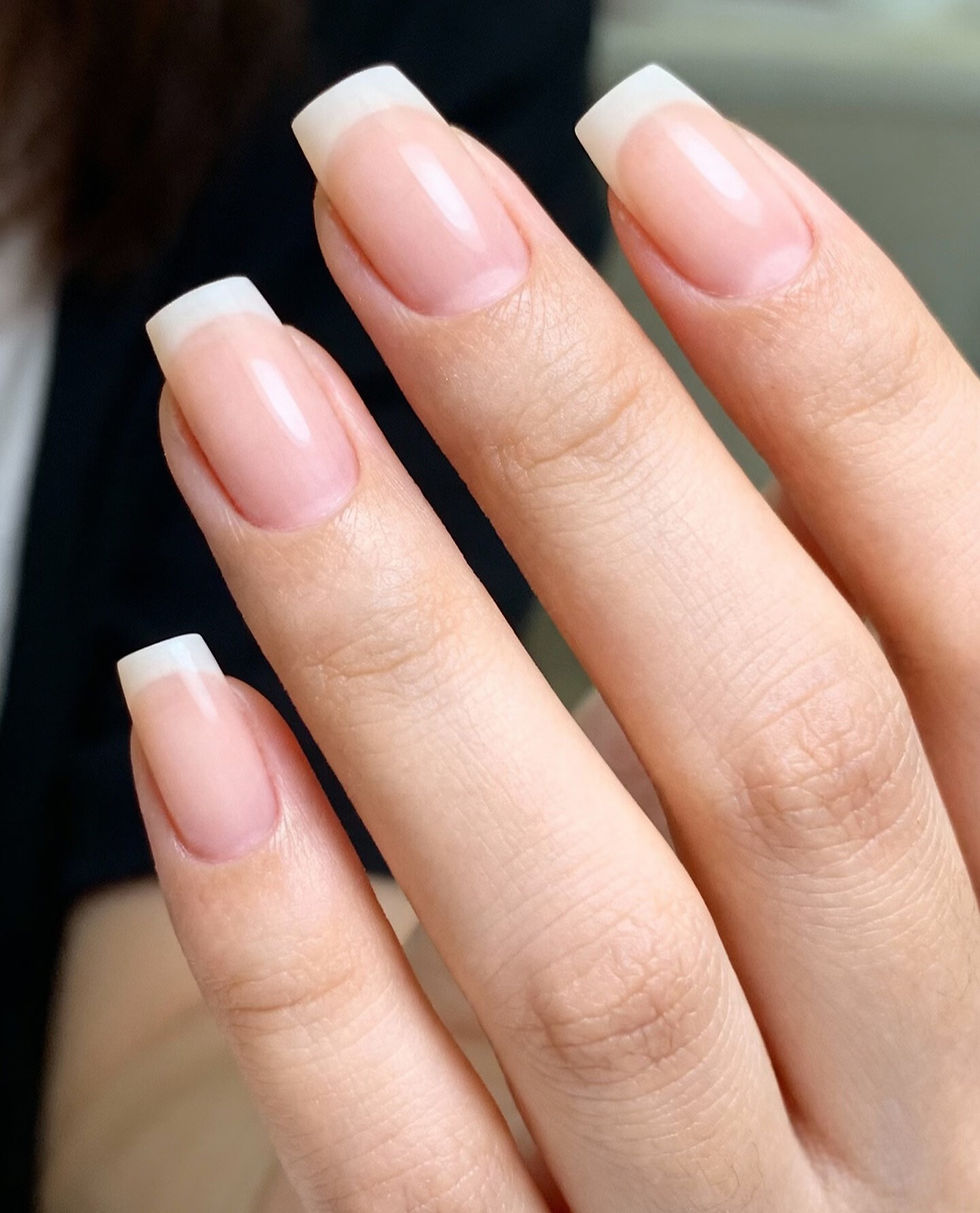
Shape your nails into a squoval (square with rounded edges) and leave a 2–3 mm white edge. This helps better support the free edge of the nail.
Moisturize the Nailbed and Cuticles
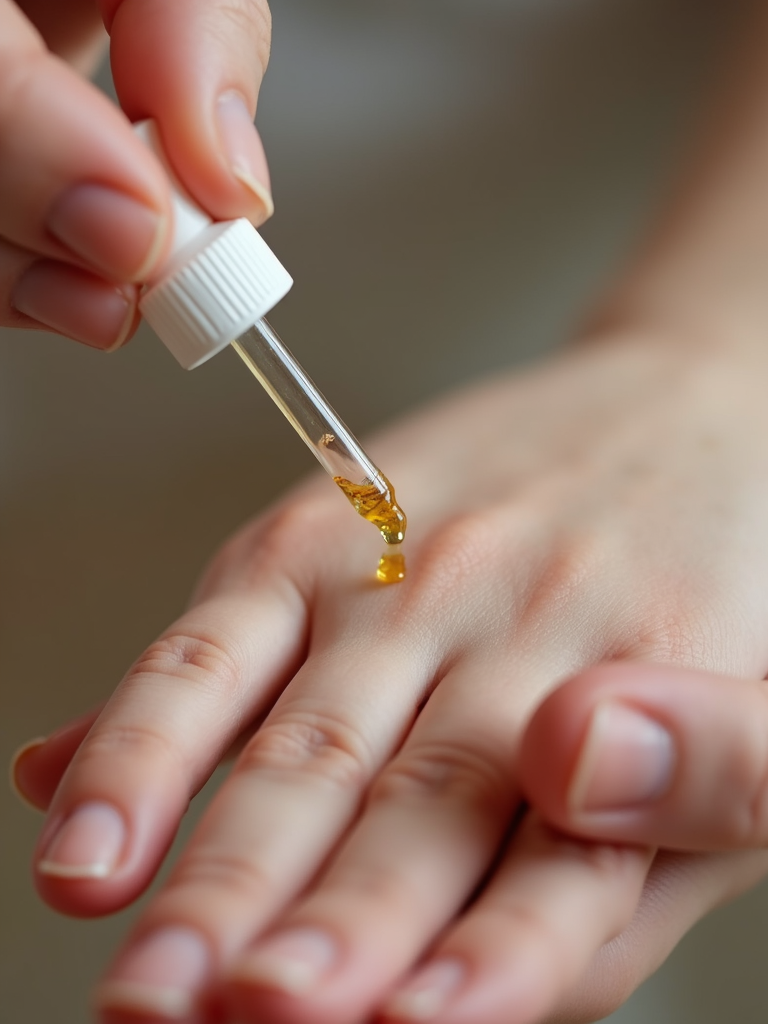
Dry skin around the nails can crack and cause damage. Use a nourishing cuticle oil or cream daily to keep the nailbed soft and hydrated. Ingredients like jojoba oil, vitamin E, and shea butter work well.
Avoid Nail Biting and Picking
Biting nails or picking at the cuticles damages the nailbed and increases infection risk. If this is a habit, try stress-relief techniques or keep nails trimmed short to reduce temptation.

Nutrition and Supplements for Strong Nailbeds
Nail health reflects overall nutrition. The nailbed and nail matrix need vitamins and minerals to function well. Consider these nutrients:
Biotin: Supports keratin production, improving nail strength
Zinc: Helps repair tissue and supports immune function
Iron: Prevents brittle nails caused by anemia
Vitamin C: Aids collagen production for healthy skin and nailbeds
Omega-3 Fatty Acids: Reduce inflammation and keep skin hydrated
Eating a balanced diet rich in fruits, vegetables, lean proteins, and healthy fats supports nailbed health. Supplements can help if dietary intake is insufficient, but consult a healthcare provider before starting any new supplement.
Protecting the Nailbed from Damage
The nailbed is delicate and can be harmed by physical trauma or harsh chemicals. Protect it by:
Wearing gloves when cleaning, gardening, or using chemicals
Avoiding excessive use of nail polish removers with acetone
Limiting exposure to artificial nails or gels that can weaken the nailbed
Being gentle when pushing back cuticles; avoid cutting them
If you notice redness, swelling, or pain around the nailbed, it may indicate infection or injury. Seek medical advice promptly to prevent complications.
Signs Your Nailbed Needs Extra Care
Recognizing when your nailbed needs attention helps prevent long-term damage. Watch for:
Persistent dryness or cracking around nails
Changes in nail shape or texture
Pain or tenderness near the nail
Discoloration or unusual nail growth patterns
Frequent infections or inflammation
If these signs appear, increase moisturizing, protect nails from trauma, and consider consulting a dermatologist or healthcare professional.
Natural Remedies to Support Nailbed Health
Some natural remedies can soothe and strengthen the nailbed:
Aloe Vera Gel: Moisturizes and heals irritated skin
Coconut Oil: Antimicrobial and hydrating properties
Tea Tree Oil: Fights fungal infections when diluted properly
Honey: Natural humectant that softens skin
Apply these remedies regularly to maintain a healthy nailbed environment.
When to See a Specialist
If nail problems persist despite good care, or if you experience severe pain, swelling, or signs of infection, see a healthcare provider. Conditions like fungal infections, psoriasis, or nail matrix disorders require professional treatment.


Comments